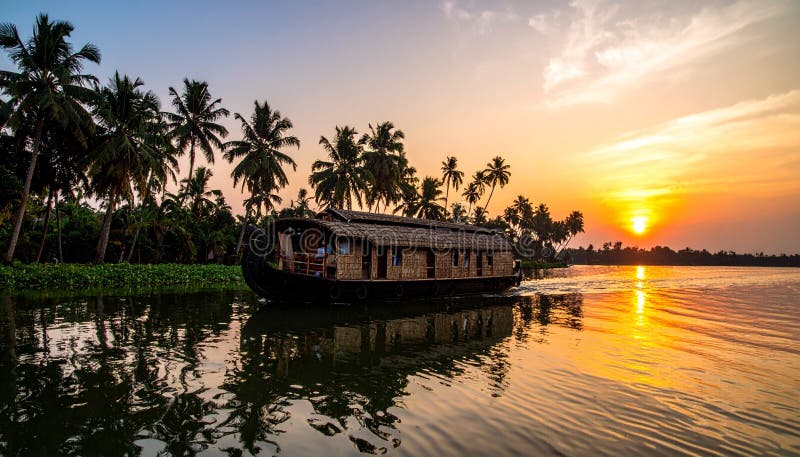
As the sun dipped low over the horizon, casting a golden hue across the tranquil waters, I found myself gliding through the Kerala Backwaters on a traditional houseboat. The gentle lapping of waves against the hull, the rustle of palm fronds in the breeze, and the distant calls of kingfishers created a symphony that felt worlds away from the bustling cities I'd left behind. This was my introduction to the enchanting Kerala Backwaters, a labyrinth of lagoons, canals, and lakes that stretch along India's southwestern coast. Often called the "Venice of the East," the Kerala Backwaters offer an unparalleled escape into nature's embrace, where houseboat cruises and scenic routes reveal the soul of Kerala.
My journey began in Alleppey (also known as Alappuzha), the gateway to the Kerala Backwaters. I'd heard tales of these waterways from fellow travelers—stories of serene cruises on converted rice boats, or kettuvallams, that once transported goods but now ferry dreamers like me. Eager to immerse myself, I booked a houseboat cruise that promised not just relaxation but a deep dive into the region's culture and landscapes. As I stepped aboard, the crew welcomed me with fresh coconut water, and we set off into the heart of the Kerala Backwaters.
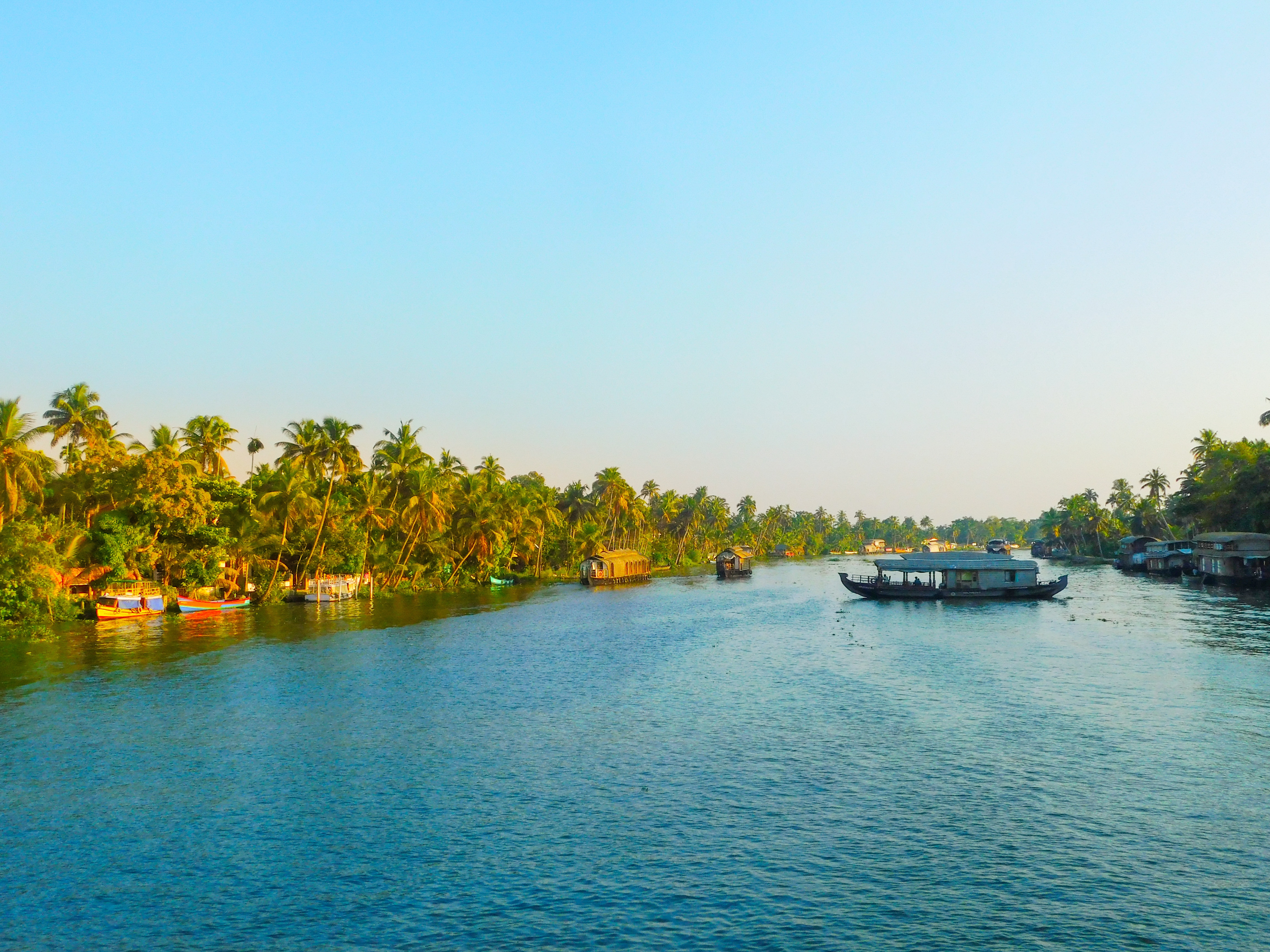
The Kerala Backwaters are a network of over 900 kilometers of interconnected waterways, formed by the confluence of rivers, lakes, and the Arabian Sea. This unique ecosystem, declared a Ramsar Wetland of International Importance, supports a rich biodiversity and sustains local communities through fishing, agriculture, and tourism. Houseboat cruises here aren't just a mode of transport; they're a way to experience the slow pace of life that defines Kerala. As our boat chugged along the Vembanad Lake, the largest in the Kerala Backwaters, I watched villagers paddling canoes laden with fresh produce, their reflections dancing on the water's surface.
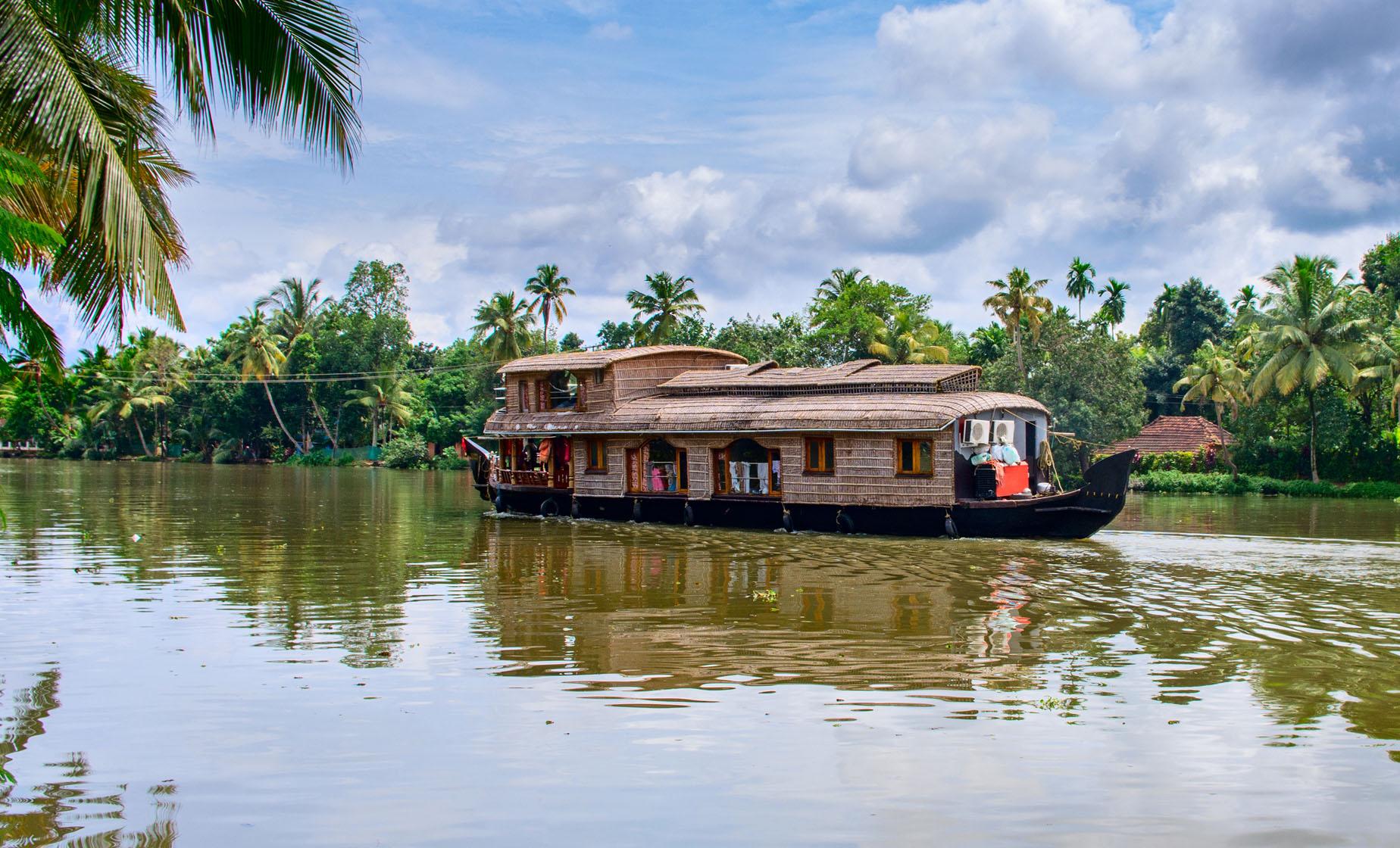
One of the most popular scenic routes in the Kerala Backwaters is the Alleppey-Kumarakom trail. Starting from Alleppey's bustling jetty, the cruise winds through narrow canals flanked by lush paddy fields and coconut groves. The air is thick with the scent of blooming water lilies and the earthy aroma of wet soil. Our houseboat, a luxurious one-bedroom affair with thatched roofs and bamboo walls, felt like a floating villa. The captain, a seasoned local named Rajan, pointed out kingfishers perched on overhanging branches and egrets wading in the shallows. "This is the real Kerala Backwaters," he said with a smile, "where time stands still."
As we ventured deeper, the scenic routes revealed hidden gems. We passed through Punnamada Lake, a vital part of the Kerala Backwaters famous for hosting the annual Nehru Trophy Boat Race. The lake's expansive waters opened up like a mirror, reflecting the azure sky and scattered clouds. Houseboat cruises here often include stops at local toddy shops, where you can sample the fermented coconut sap—a mildly intoxicating beverage that's a staple in Keralan culture. I sipped on some, feeling the warmth spread through me as the boat continued its leisurely pace.

Lunch on the houseboat was a highlight of the cruise. The onboard chef prepared a feast of traditional Keralan dishes: karimeen pollichathu (pearl spot fish grilled in banana leaves), appam (fermented rice pancakes), and vegetable thoran (stir-fried veggies with grated coconut). Freshly caught prawns from the Kerala Backwaters added a seafood twist, their flavors enhanced by spices like turmeric, chili, and curry leaves. Dining on the upper deck, with the scenic routes unfolding around me, I felt connected to the land and its people. The Kerala Backwaters aren't just about sightseeing; they're a culinary journey too.
By afternoon, we reached the narrower canals of the Kerala Backwaters, where the scenery shifted to intimate vignettes of rural life. Children waved from thatched huts along the banks, women washed clothes in the water, and fishermen cast their nets with practiced ease. This part of the route, less traversed by larger houseboats, offered a glimpse into the authentic Kerala Backwaters. Rajan shared stories of how these waterways have sustained generations, from rice farming in the low-lying Kuttanad region—known as the "Rice Bowl of Kerala"—to coir production from coconut husks.
As evening approached, the houseboat anchored in a quiet corner of the Kerala Backwaters. The sunset painted the sky in shades of orange and pink, turning the water into a canvas of liquid gold. Houseboat cruises often include overnight stays, allowing travelers to stargaze from the deck or listen to the nocturnal symphony of frogs and crickets. I retired to my air-conditioned cabin, lulled to sleep by the gentle rocking of the boat. Waking up to the dawn chorus in the Kerala Backwaters was magical—the mist rising off the water, birds flitting about, and the promise of another day of exploration.
The next morning, we continued toward Kumarakom, another jewel in the Kerala Backwaters crown. This scenic route hugs the shores of Vembanad Lake, passing by the Kumarakom Bird Sanctuary. A haven for migratory birds like Siberian cranes and herons, the sanctuary adds a wildlife dimension to houseboat cruises. We paused for a short canoe excursion into the mangroves, where the dense foliage created a tunnel of green. Paddling through these narrow channels, I spotted monitor lizards sunning themselves and colorful butterflies dancing in the air. The Kerala Backwaters' biodiversity is astounding, a reminder of why sustainable tourism is crucial here.

Kumarakom itself is a cluster of islands in the Kerala Backwaters, renowned for its luxury resorts and Ayurvedic spas. Disembarking briefly, I explored the village paths lined with spice gardens and rubber plantations. Houseboat cruises from here often extend to nearby spots like Pathiramanal Island, an uninhabited paradise perfect for picnics. The scenic routes around Kumarakom are ideal for birdwatching enthusiasts, with over 180 species calling the area home. As we cruised back toward Alleppey, I reflected on how the Kerala Backwaters blend natural beauty with cultural richness.
For those seeking less crowded paths, the Alleppey-Kuttanad route in the Kerala Backwaters is a hidden treasure. This offbeat scenic route delves into the "below sea level" farmlands of Kuttanad, where dikes and bunds prevent flooding. Houseboat cruises here are more intimate, navigating slim waterways that larger vessels can't access. I imagined gliding past emerald rice paddies, where farmers work knee-deep in water, harvesting the golden grains. The Kerala Backwaters' agricultural heritage shines here, with traditional methods still in use.
Another captivating option is the Kollam-Ashtamudi Lake route in the southern Kerala Backwaters. Ashtamudi, meaning "eight braids" in Malayalam, refers to the lake's octopus-like arms. Houseboat cruises from Kollam offer a blend of backwater serenity and coastal vibes. The scenic routes wind through palm-fringed canals, passing cashew plantations and ancient temples. A stop at Monroe Island allows for village walks and interactions with local artisans crafting coir products. The Kerala Backwaters extend their charm southward, where the waters meet the sea in poetic harmony.
No story of the Kerala Backwaters would be complete without mentioning the local life that animates these waters. Fishermen using Chinese fishing nets—a legacy of ancient trade routes—dot the landscape, especially near Kochi. These cantilevered nets, operated by counterweights, create iconic silhouettes against the sunset. On my cruise, we encountered several, and Rajan explained their mechanics. The Kerala Backwaters support a thriving fishing community, with catches like prawns, crabs, and mussels forming the backbone of the local economy.
Cultural immersion is a key draw of houseboat cruises in the Kerala Backwaters. Many operators include Kathakali performances or cooking classes onboard. I tried my hand at making meen curry (fish curry), learning the art of balancing spices. The evenings often feature folk songs sung by the crew, echoing across the water. The Kerala Backwaters are a living museum of traditions, from toddy tapping to boat-building techniques passed down generations.
For adventure seekers, the Kerala Backwaters offer more than passive cruising. Kayaking tours through narrow canals provide an up-close experience, allowing you to navigate mangroves and spot elusive wildlife. I paddled along a serene channel, the paddle slicing through the water as dragonflies hovered nearby. Scenic routes like these are perfect for eco-tourists, emphasizing the fragility of the ecosystem. The Kerala Backwaters face challenges like pollution and over-tourism, so choosing responsible operators is essential.

Luxury houseboat cruises elevate the experience in the Kerala Backwaters. My vessel boasted modern amenities: en-suite bathrooms, sun decks with loungers, and even Wi-Fi. Some high-end options feature jacuzzis and multi-course meals prepared by gourmet chefs. Yet, the true luxury lies in the solitude—the feeling of having the Kerala Backwaters all to yourself as the boat drifts under a canopy of stars.
Planning a trip to the Kerala Backwaters requires consideration of the seasons. The best time for houseboat cruises is from October to March, when the weather is pleasant, and the waters are calm. Monsoon months (June to September) bring lush greenery but heavy rains, making scenic routes more adventurous. Summers (April to May) can be hot, but early morning cruises offer respite. Always book in advance, especially for peak season, to secure the best houseboats.
Budget options abound in the Kerala Backwaters, from shared cruises to private charters. A day trip might cost around INR 5,000-10,000 per person, while overnight stays range from INR 8,000-25,000 depending on the luxury level. Scenic routes like Alleppey-Kumarakom are popular, but exploring lesser-known paths like Vaikom or Poovar adds uniqueness. Tips for travelers: Carry sunscreen, insect repellent, and light clothing. Respect local customs, and opt for eco-friendly boats to minimize environmental impact.
As my houseboat cruise concluded, docking back in Alleppey, I carried memories of the Kerala Backwaters' timeless allure. The scenic routes had unveiled a world of tranquility, where nature and culture intertwine seamlessly. Whether you're a solo adventurer, a couple seeking romance, or a family on holiday, the Kerala Backwaters promise an unforgettable journey.
But the Kerala Backwaters extend beyond Alleppey and Kumarakom. Venture north to the Kasaragod or Kannur regions for untamed scenic routes. Here, houseboat cruises are rarer, but the raw beauty—rivers merging with the sea, untouched beaches, and mangrove forests—compensates. The Valiyaparamba Backwaters, for instance, offer a peaceful alternative with houseboats navigating through coconut lagoons and fishing villages.
In the central Kerala Backwaters, around Kottayam, the routes lead to ancient churches and spice markets. A cruise here might include a visit to the Aranmula Temple, famous for its snake boat races. The Kerala Backwaters' spiritual side emerges, with temples reflecting in the waters and chants carried on the breeze.
Southward, the Trivandrum (Thiruvananthapuram) backwaters blend with coastal lagoons. Poovar, where the Neyyar River meets the sea, provides scenic routes for day cruises. Golden sands, floating restaurants, and estuary explorations make this a must for beach lovers. Houseboat cruises here often combine backwater serenity with ocean vistas.
Throughout my travels in the Kerala Backwaters, the food remained a constant delight. Beyond onboard meals, shore excursions introduced me to sadhya—a vegetarian feast served on banana leaves during festivals. Dishes like avial (mixed vegetable curry), payasam (sweet pudding), and kappa (tapioca) showcase the region's culinary diversity. Seafood lovers rejoice in the fresh bounty from the Kerala Backwaters.

Accommodations in the Kerala Backwaters range from budget homestays to opulent resorts. Staying on a houseboat overnight is iconic, but lakeside villas in Kumarakom offer similar views with added comforts. Many feature infinity pools overlooking the waters, spa treatments drawing from Ayurveda, and private jetties for canoe rides.
For history buffs, the Kerala Backwaters hold tales of colonial pasts. Dutch, Portuguese, and British influences linger in forts and warehouses along the routes. A cruise near Kochi might detour to Fort Kochi, with its synagogues and colonial architecture. The Kerala Backwaters were once vital trade arteries for spices, earning Kerala the moniker "God's Own Country."
Sustainability is key to preserving the Kerala Backwaters. Over 2,000 houseboats ply these waters, raising concerns about pollution. Choose operators certified by the Kerala Tourism Department, which enforce eco-friendly practices like waste management and solar power. Responsible tourism ensures future generations enjoy these scenic routes.
My final day in the Kerala Backwaters involved a leisurely cruise on Vembanad Lake. The expansive waters, dotted with islands, provided a grand finale. As the houseboat glided past, I spotted house sparrows and cormorants diving for fish. The scenic routes here are broad and open, contrasting with the intimate canals elsewhere.
Reflecting on my journey, the Kerala Backwaters had transformed from a mere destination to a profound experience. Houseboat cruises and scenic routes offered not just views but connections—to nature, culture, and self. If you're planning a trip, let the Kerala Backwaters weave their magic on you.
Disclaimer
This travel story is for informational and entertainment purposes only. While every effort has been made to provide accurate and up-to-date information, travel conditions, prices, and availability can change. Readers are advised to verify details with official sources and consult professionals for health, safety, and visa requirements. The author and publisher are not liable for any losses or damages incurred from using this content. Always practice responsible tourism to preserve the Kerala Backwaters.
FAQs
What is the best time to visit the Kerala Backwaters for a houseboat cruise?
The ideal period is October to March, when the weather is cool and dry, perfect for scenic routes and outdoor activities.
How much does a houseboat cruise in the Kerala Backwaters cost?
Prices vary: Day cruises start at INR 5,000-10,000 per person, while overnight luxury options can range from INR 8,000-25,000.
Are there eco-friendly options for exploring the Kerala Backwaters?
Yes, opt for certified operators using solar-powered boats and practicing waste reduction to minimize impact on scenic routes.
What should I pack for a trip to the Kerala Backwaters?
Essentials include sunscreen, insect repellent, light clothing, hats, and binoculars for birdwatching along houseboat cruises.
Can I combine houseboat cruises with other activities in the Kerala Backwaters?
Absolutely—add kayaking, village walks, or Ayurvedic spas to enhance your experience on scenic routes.
Is it safe to travel solo in the Kerala Backwaters?
Yes, with precautions like booking reputable tours and staying aware. The region is generally welcoming for solo travelers.
What wildlife can I see in the Kerala Backwaters?
Birds like kingfishers, herons, and migratory species, plus otters and monitor lizards, are especially found near Kumarakom.
How do I book a houseboat in the Kerala Backwaters?
Through official tourism sites, agencies like Spice Routes, or apps. Advance booking is recommended for peak seasons.
Are there vegetarian options on houseboat cruises in the Kerala Backwaters?
Plenty—Keralan cuisine features vegetarian sadhya, thoran, and appam, often included in meals.
What are the must-see scenic routes in the Kerala Backwaters?
Alleppey-Kumarakom, Alleppey-Kuttanad, and Kollam-Ashtamudi for diverse landscapes and experiences.
References
- Horizon Guides: Cruising Kerala's Backwaters By Houseboat: An Expert Guide
- TripAdvisor: THE 15 BEST Kerala Boat Tours & Excursions
- Spice Routes: Best Luxury Houseboats in Alleppey
- Lux Magazine: Voyaging through Kerala's backwaters on a luxury houseboat
- Lonely Planet: The Lonely Planet guide to visiting Kerala's backwaters
- Facebook: Exploring Kerala Backwaters by Traditional Rice Boat
- Kerala Houseboat: Navigating Kerala's Backwaters: A Beginner's Guide to Houseboat Routes in Kerala
- Exotica Houseboat Cruises: The Most Picturesque Routes for an Alleppey Houseboat Trip
- 7Wayfinders: Insider Tips For The Perfect Kerala Backwater Houseboat Experience In India
- Along Dusty Roads: The Kerala Backwaters | 11 Things To Know Before You Visit
- YouTube: $50 LUXURY Houseboat Down KERALA BACKWATERS
- Elegant Journeys: Kerala Backwaters: Luxury Houseboat Experiences
- Travel Books Food: Living The Royal Life On A Spice Routes Luxury Houseboat in 2026 in Kerala, India
- Quora: Which places can I travel with a houseboat if I go for a Kerala houseboat tour?
- Freedom Tour Travel: Kerala Backwaters Houseboat Cruise


No comments:
Post a Comment