As the train pulled into Jaipur station, the first rays of the morning sun bathed the city in a warm, rosy glow. Jaipur, often called the Pink City, welcomed me with its signature hue—a terracotta pink that seemed to infuse every building with a sense of royal hospitality. Founded in 1727 by Maharaja Sawai Jai Singh II, Jaipur is the capital of Rajasthan and a jewel in India's Golden Triangle circuit, alongside Delhi and Agra. My journey to explore Jaipur's palaces was about to begin, and I could already feel the pull of its majestic history and vibrant culture. From the moment I stepped off the platform, Jaipur's charm enveloped me, promising tales of kings, forts, and timeless elegance.
Jaipur's nickname, the Pink City, dates back to 1876 when Maharaja Ram Singh painted the old city pink to welcome the Prince of Wales. This tradition has endured, making Jaipur a visually stunning destination where every street corner tells a story. As I wandered through the bustling bazaars, the air filled with the scent of spices and the sound of haggling vendors, I realized why travelers flock to Jaipur year after year. It's not just the palaces; it's the living heritage that makes Jaipur so captivating. In this travel story, I'll take you through my adventures in Jaipur, focusing on its iconic palaces while weaving in the city's markets, cuisine, and hidden gems. Whether you're planning your first trip to Jaipur or returning for more, this guide will help you uncover the magic of the Pink City.
The History of Jaipur: From Royal Vision to Modern Marvel
To truly appreciate Jaipur's palaces, one must delve into its history. Jaipur was meticulously planned by Vidyadhar Bhattacharya, an architect under Maharaja Jai Singh II, making it India's first planned city. Recognized by UNESCO as a World Heritage Site, Jaipur's layout follows ancient Hindu principles of Vastu Shastra, with wide streets and organized sectors. The city's walls and gates, still standing today, were built to protect its inhabitants from invasions, adding to Jaipur's fortified allure.
Jaipur's royal legacy is tied to the Kachwaha Rajputs, who ruled Rajasthan for centuries. Maharaja Jai Singh II, an astronomer and warrior, shifted his capital from Amber to Jaipur for strategic reasons, creating a hub of science, art, and architecture. Walking through Jaipur today, you can see this blend in structures like the Jantar Mantar observatory, a testament to Jaipur's scientific prowess in the 18th century. As I explored, I felt transported back to an era when Jaipur was a center of innovation, where kings built palaces not just for luxury but for legacy.
The Pink City's evolution continues into 2026, with modern amenities coexisting alongside ancient wonders. Sustainable tourism initiatives in Jaipur, such as eco-friendly elephant sanctuaries and heritage walks, ensure that the city's past is preserved for future generations. My visit coincided with a local festival, where Jaipur's streets came alive with colorful processions, reminding me that Jaipur isn't a museum—it's a living, breathing entity.
Amber Fort: Jaipur's Majestic Hilltop Palace
No exploration of Jaipur's palaces is complete without Amber Fort, perched dramatically on a hill 11 kilometers from the city center. Also known as Amer Fort, this UNESCO-listed site is a prime example of Rajput architecture, blending red sandstone and white marble in intricate designs. As I approached Jaipur's Amber Fort via a winding road, the structure loomed like a guardian over the landscape, its walls reflecting the golden hues of the Aravalli Hills.
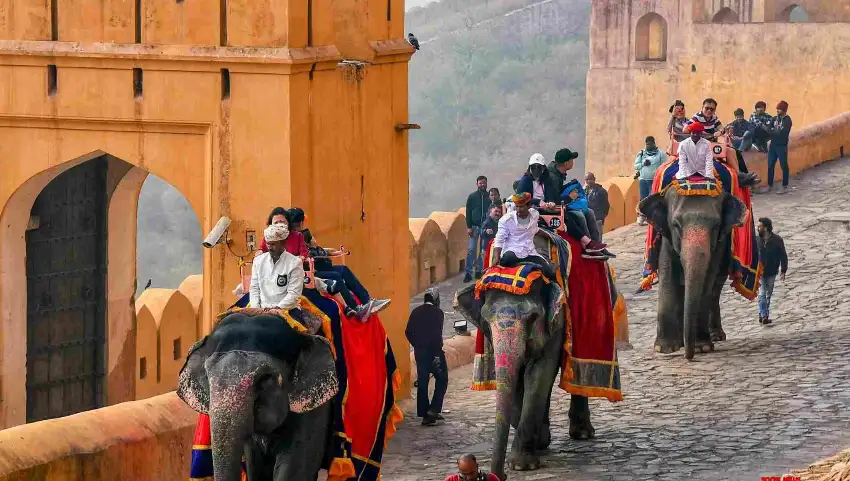
Ascending to Amber Fort, I opted for a jeep ride instead of the traditional elephant ascent, mindful of animal welfare concerns that have led to regulated practices in Jaipur. The fort's entrance, Suraj Pol (Sun Gate), opens to a vast courtyard where elephants once paraded. Inside, the Diwan-e-Aam (Hall of Public Audience) showcases Jaipur's royal grandeur with its pillared halls and carved arches. But the highlight for me was the Sheesh Mahal (Mirror Palace), where thousands of mirrors create a starry illusion when lit by a single candle—a magical feat of Jaipur's craftsmanship.
Exploring further, I discovered the Zenana (women's quarters), a labyrinth of rooms connected by hidden passages, allowing royal ladies privacy in Jaipur's conservative era. From the ramparts, views of Maota Lake and the surrounding Jaipur countryside are breathtaking, especially at sunset when the fort glows amber. Spending a full morning at Amber Fort, I learned about Jaipur's defensive strategies, including the underground tunnels linking to Jaigarh Fort. Amber Fort isn't just a palace; it's a symbol of Jaipur's resilient spirit.

Nearby, an elephant village offers ethical interactions, where visitors can feed and bathe rescued elephants—a modern twist on Jaipur's traditions. As I descended, I reflected on how Amber Fort encapsulates Jaipur's blend of power and beauty, drawing millions to the Pink City annually.
City Palace: The Heart of Jaipur's Royal Heritage
In the center of Jaipur's old city lies the City Palace, a sprawling complex that serves as the residence of Jaipur's royal family even today. Built between 1729 and 1732 by Maharaja Jai Singh II, the palace merges Rajput, Mughal, and European styles, creating a visual feast. Entering through the grand Virendra Pol gate, I was struck by the palace's pink and red sandstone facades, echoing Jaipur's iconic color scheme.
The City Palace in Jaipur is divided into courtyards, museums, and private quarters. The Chandra Mahal, a seven-story tower, houses the royal family and offers panoramic views of Jaipur from its top. I toured the Mubarak Mahal, now a museum displaying exquisite textiles, weapons, and artifacts from Jaipur's history. The intricate peacock gates at Pritam Niwas Chowk, each representing a season, are a photographer's dream, symbolizing Jaipur's artistic flair.
One of the most fascinating sections is the Diwan-e-Khas (Hall of Private Audience), home to two massive silver urns—the largest in the world—used by Maharaja Madho Singh II to carry Ganges water to England. As I wandered the gardens and pavilions, I imagined royal ceremonies in Jaipur's past, with elephants and processions filling the air. The palace museum provides deep insights into Jaipur's rulers, from astronomical instruments to royal costumes.
Today, parts of the City Palace are open to the public, with guided tours revealing hidden stories. I spent an afternoon here, soaking in Jaipur's opulence, and recommend visiting early to avoid crowds. The City Palace truly is the beating heart of Jaipur, where history meets modernity.

Hawa Mahal: Jaipur's Palace of Winds
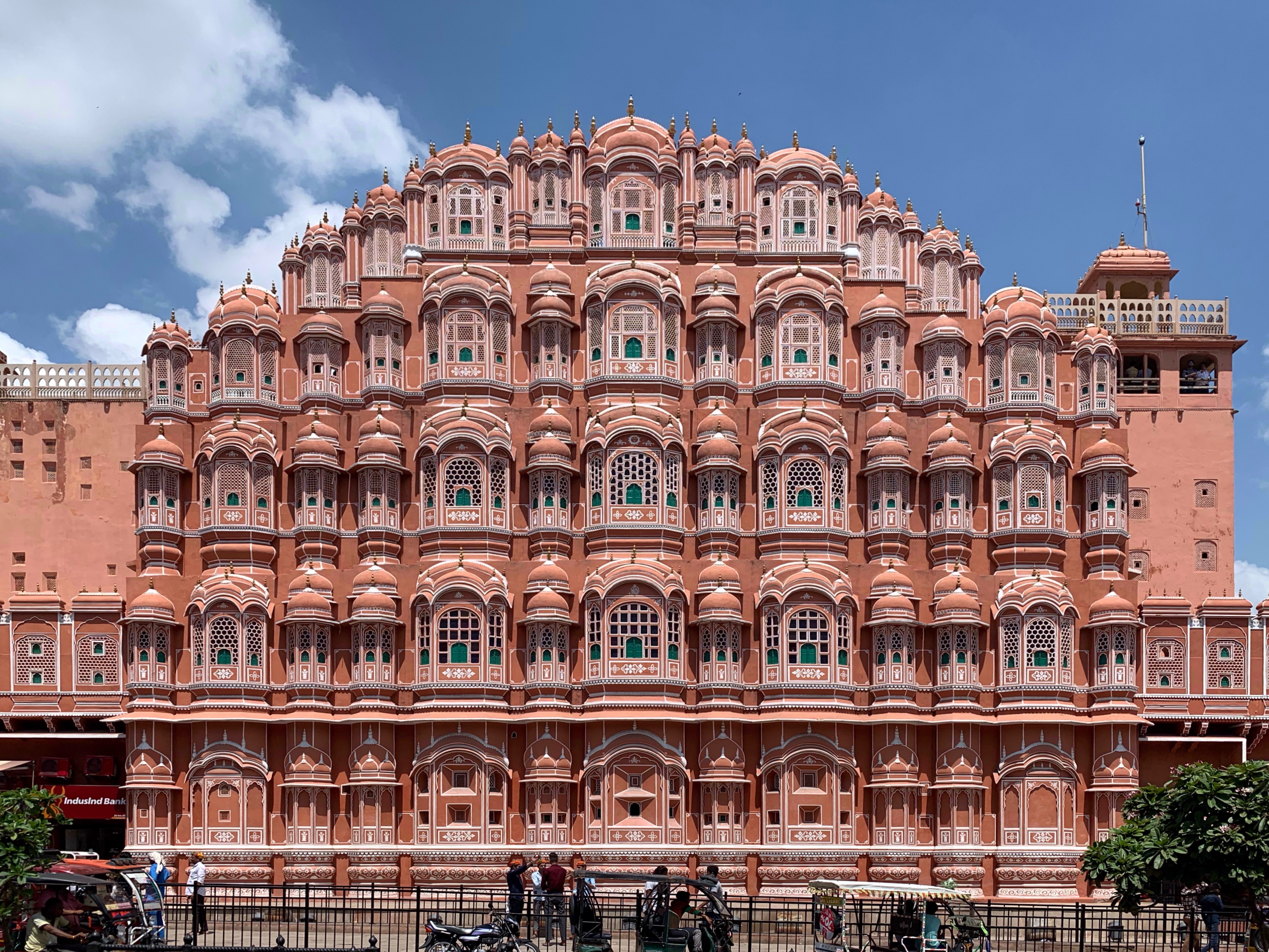
No icon defines Jaipur more than Hawa Mahal, the Palace of Winds, built in 1799 by Maharaja Sawai Pratap Singh. This five-story structure, resembling a honeycomb with 953 small windows (jharokhas), was designed for royal women to observe street festivals without being seen, adhering to purdah customs in Jaipur.
Approaching Hawa Mahal from Jaipur's busy Badi Chaupar, its pink sandstone facade gleams under the sun, with lattice screens allowing cool breezes to flow through—hence its name. Climbing to the top via ramps (no stairs, as it was built for queens in palanquins), I enjoyed stunning views of Jaipur's Sireh Deori Bazaar and the City Palace. The intricate carvings and semi-octagonal bays make Hawa Mahal a masterpiece of Rajput architecture, unique in Jaipur.
Inside, the palace feels ethereal, with colored glass windows casting rainbows on the floors. I learned that Hawa Mahal was inspired by Krishna's crown, adding a mythological layer to Jaipur's landmarks. Visiting at sunrise, when Jaipur awakens, is magical—the palace's pink hue intensifies, and the streets below buzz with life.
Hawa Mahal is more than a photo stop; it's a window into Jaipur's social history, highlighting women's roles in royal life. Pair it with a visit to nearby temples for a fuller Jaipur experience.
Jal Mahal: Jaipur's Floating Wonder
Nestled in Man Sagar Lake, Jal Mahal (Water Palace) is one of Jaipur's most picturesque palaces. Built in the 18th century by Maharaja Madho Singh I, this five-story structure appears to float on the water, with four floors submerged. Restored in recent years, Jal Mahal exemplifies Jaipur's innovative architecture, blending Rajput and Mughal elements.
I viewed Jal Mahal from the lakeside promenade, where migratory birds flock during winter, adding to Jaipur's natural beauty. Boat rides offer closer looks, revealing the palace's red sandstone and intricate designs. Though not open to the public inside, Jal Mahal's exterior is enchanting, especially at dusk when lights reflect on the water.
Jal Mahal's restoration has made it a symbol of Jaipur's commitment to preserving heritage amid urbanization. It's a serene escape from Jaipur's hustle, perfect for photography or reflection.
Jantar Mantar: Jaipur's Astronomical Legacy
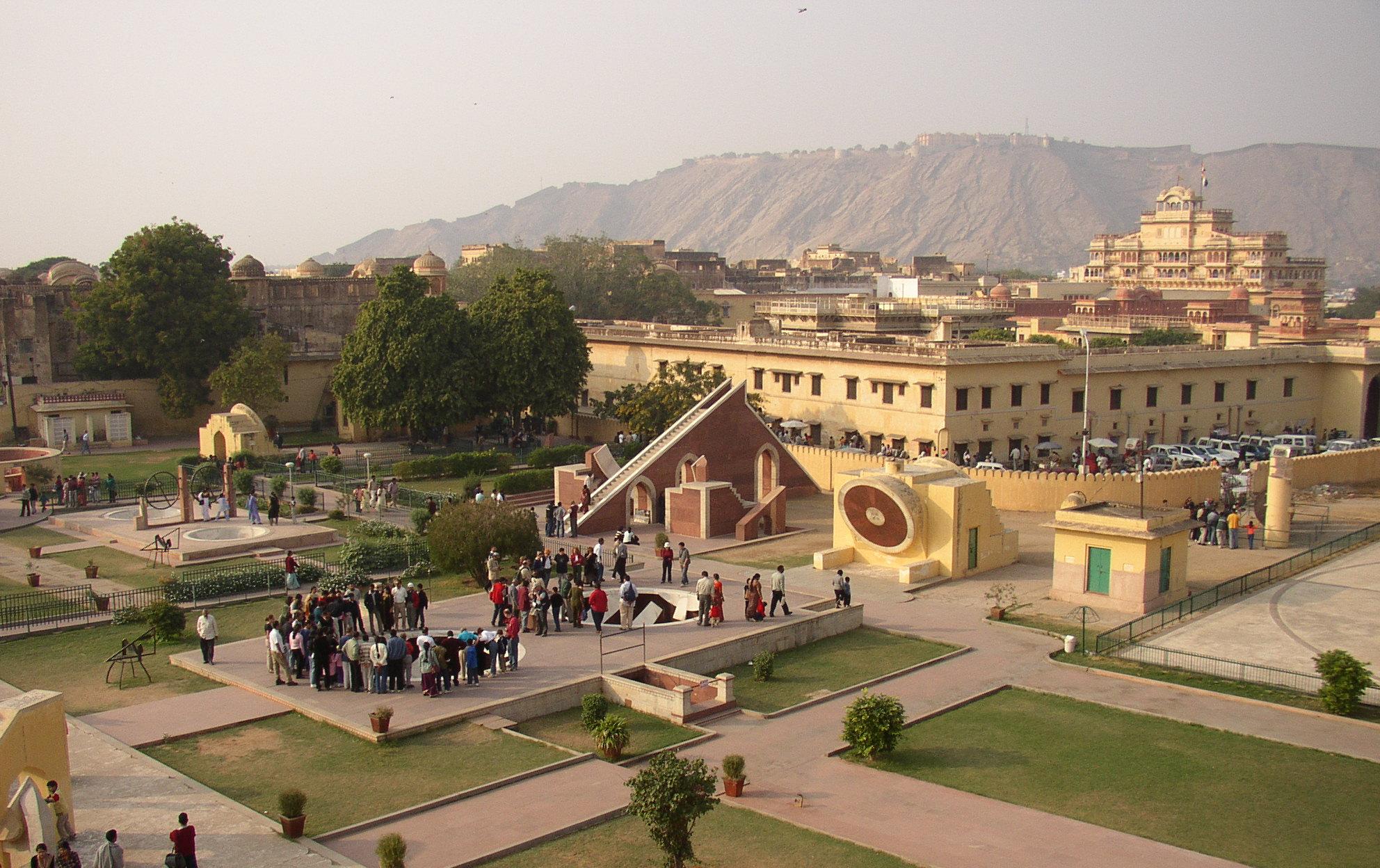
Adjacent to the City Palace, Jantar Mantar is an open-air observatory built by Maharaja Jai Singh II in 1734. This UNESCO site features 19 astronomical instruments, the largest stone sundial in the world among them. As an astronomy enthusiast, I was awed by how precisely these devices track celestial bodies, showcasing Jaipur's scientific heritage.
The Samrat Yantra, a 27-meter-high sundial, tells time to within two seconds—a marvel in pre-modern Jaipur. Wandering the site, I joined a guided tour explaining each instrument's function, from measuring eclipses to tracking zodiac signs. Jantar Mantar highlights Jaipur's founder's dual role as warrior and scholar.
Visiting in the morning avoids Jaipur's heat, and combining it with the City Palace maximizes efficiency. Jantar Mantar reminds us that Jaipur's palaces aren't just about luxury; they're about intellect too.
Beyond Palaces: Jaipur's Vibrant Markets and Cuisine
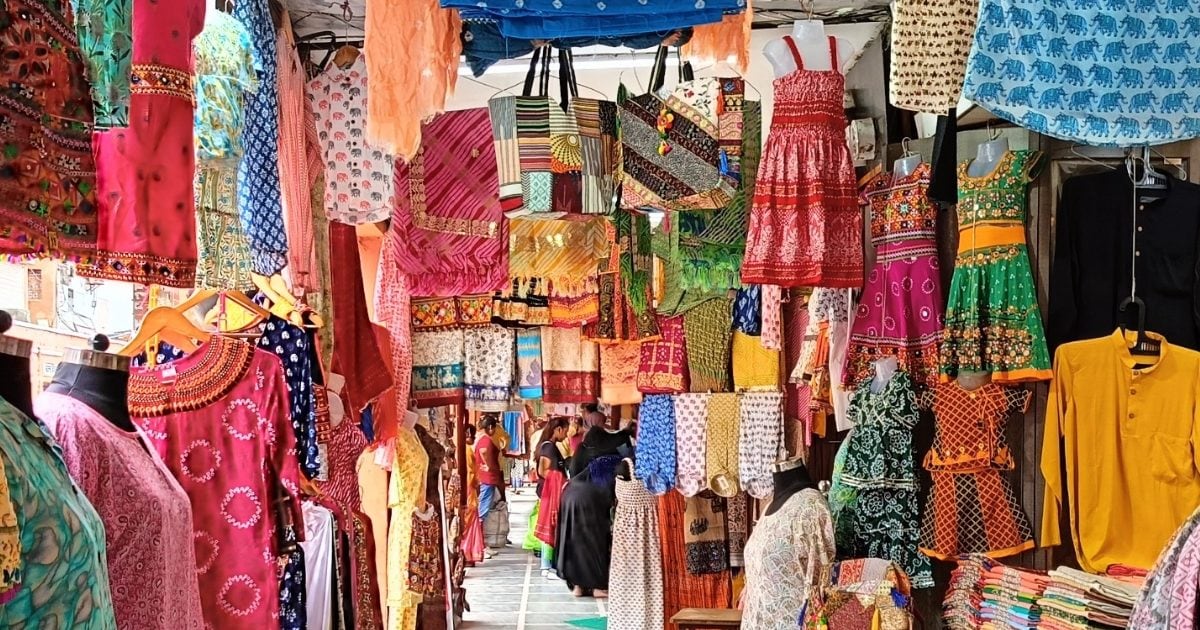
While palaces define Jaipur, its markets and food add flavor. Johari Bazaar, in the heart of Jaipur, is famed for jewelry, from Kundan to Meenakari work. Bargaining here is an art, and I scored beautiful silver earrings reflecting Jaipur's craftsmanship.
Bapu Bazaar offers textiles, mojari shoes, and puppets—souvenirs embodying Jaipur's culture. The markets' chaos, with cows wandering and vendors calling, is quintessentially Jaipur. For food, dal baati churma is a must—baked wheat balls with lentil curry and sweet crumble. I tried it at LMB in Jaipur's old city, paired with ghevar and rabri.
Street food like pyaaz kachori and mirchi vada spice up Jaipur's culinary scene. For an upscale experience, rooftop restaurants overlook Jaipur's palaces, serving Rajasthani thalis.

Day Trips from Jaipur: Expanding the Adventure
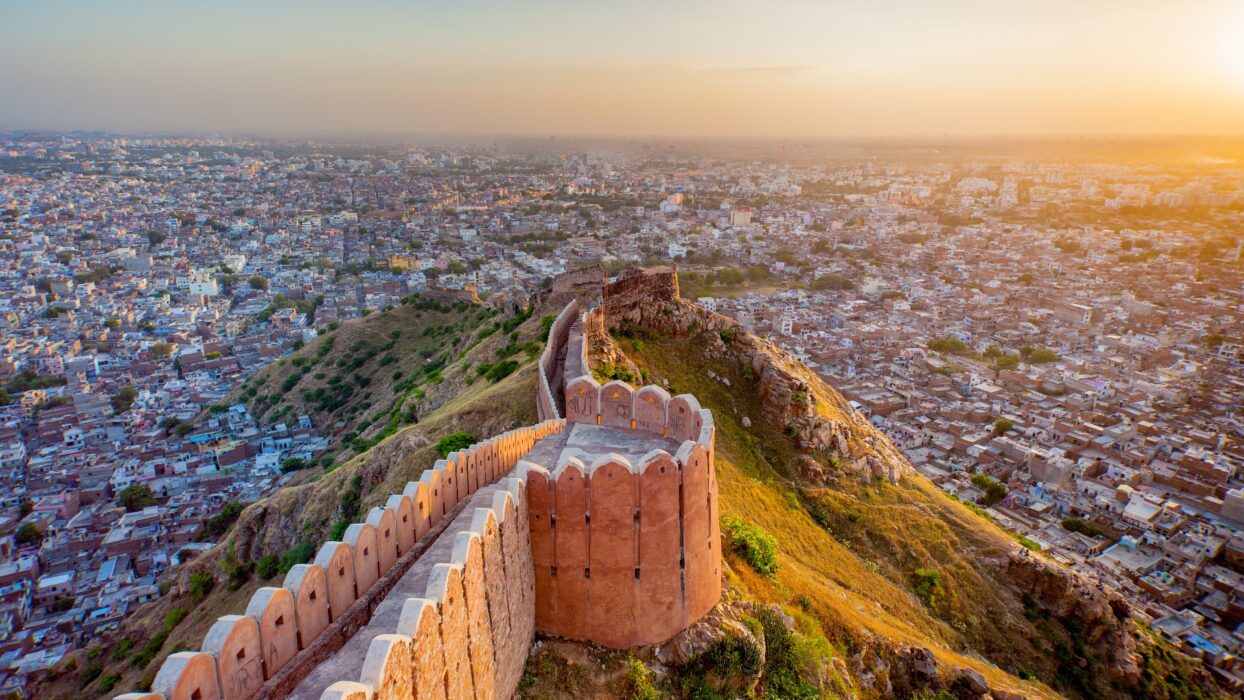
Jaipur serves as a base for excursions. Nahargarh Fort offers sunset views over Jaipur, its walls snaking like a mini Great Wall. Jaigarh Fort, with the world's largest cannon, connects to Amber via tunnels, revealing Jaipur's military history.
For nature, Sambhar Salt Lake, an hour from Jaipur, is a birdwatcher's paradise. Pushkar, with its sacred lake and camel fair, is a spiritual side trip from Jaipur.
Practical Tips for Visiting Jaipur
The best time to visit Jaipur is from October to March, avoiding the summer heat. Fly into Jaipur International Airport or take trains from Delhi. Stay in heritage hotels like Rambagh Palace for a royal Jaipur experience, or budget guesthouses in the old city.
Navigate Jaipur by auto-rickshaws, Uber, or rented scooters. Entry fees for palaces range from 200 to 500 INR; composite tickets save money. Respect local customs in Jaipur—dress modestly at religious sites.
For elephant rides at Amber, choose ethical options. Jaipur's tap water isn't safe; stick to bottled. ATMs are plentiful, but carry cash for markets.
As of 2026, Jaipur has enhanced public transport with metro expansions, making palace-hopping easier.
Sunset in Jaipur: A Reflective End
My last evening in Jaipur was spent at Nahargarh, watching the sun dip behind the hills, casting a pink glow over the city. Jaipur's palaces, from Amber's heights to Hawa Mahal's whimsy, had woven a tapestry of memories. The Pink City isn't just about sights; it's about the stories, the people, and the enduring spirit. Leaving Jaipur, I carried a piece of its royalty with me, eager to return.

Disclaimer
This travel story is for informational and entertainment purposes only. Information may change, so verify details with official sources before planning your trip to Jaipur. Travel involves risks; consult health and safety guidelines, especially regarding COVID-19 or local regulations. The author is not liable for any issues arising from this content.
FAQs
- Why is Jaipur called the Pink City? Jaipur earned its nickname when its buildings were painted pink in 1876 to welcome the Prince of Wales, symbolizing hospitality.
- What are the must-visit palaces in Jaipur? Key palaces include Amber Fort, City Palace, Hawa Mahal, and Jal Mahal, each offering unique architectural and historical insights.
- How many days do I need in Jaipur? Plan 3-5 days to explore Jaipur's palaces, markets, and nearby sites comfortably.
- Is Jaipur safe for solo travelers? Yes, Jaipur is generally safe, but exercise caution in crowded areas and use reputable transport.
- What's the best way to get around Jaipur? Use auto-rickshaws, taxis, or the metro for efficient travel between Jaipur's attractions.
- When is the best time to visit Jaipur? October to March offers pleasant weather for exploring Jaipur's outdoor sites.
- Are elephant rides ethical in Jaipur? Opt for certified ethical sanctuaries in Jaipur to ensure animal welfare.
- What food should I try in Jaipur? Don't miss dal baati churma, pyaaz kachori, and sweets like ghevar in Jaipur.
- How much do palace entries cost in Jaipur? Fees range from 200-700 INR per site; composite tickets for multiple Jaipur attractions save money.
- Can I visit Jaipur's palaces year-round? Yes, but summer heat can be intense; winter is ideal for Jaipur tours.
References
- A Guide to Jaipur, India: Vibrant, Historic & Culturally Rich - Fora Travel
- Jaipur Travel Guide: Exploring India's Magnificent Pink City
- Jaipur Travel Guide 2026 - The Magical Pink City Of Rajasthan
- Easy Guide to Jaipur's Pink City - Just You Community
- How to Explore Jaipur - India's Pink City - in Two Days - Her Travel Edit
- A Detailed Guide to Jaipur's Enchanting City Palace - The Common Wanderer
- Pink City Guide (2026) - All You Need to Know BEFORE You Go (with Reviews) - Tripadvisor
- Jaipur Itinerary: The Pink City, India - Two Blue Passports
- A Complete Guide to the City Palace of Jaipur - Preksha Raj
- How to spend a day like a local in Jaipur, India's Pink City - Intrepid Travel
- India's Iconic 'Pink City' Is Continuously Voted One of the Best in the World
- Places to Visit, Sightseeing, Trip to Jaipur - Rajasthan Tourism
- Guide to Jaipur: The Iconic "Pink City" of India - Stunning Palaces, Vibrant Culture, and Delectable Cuisine - Amateur Traveler
- Best Things To Do in Jaipur — The Pink City of India - Kevin & Amanda


No comments:
Post a Comment